

Introduction to Digital Case Management
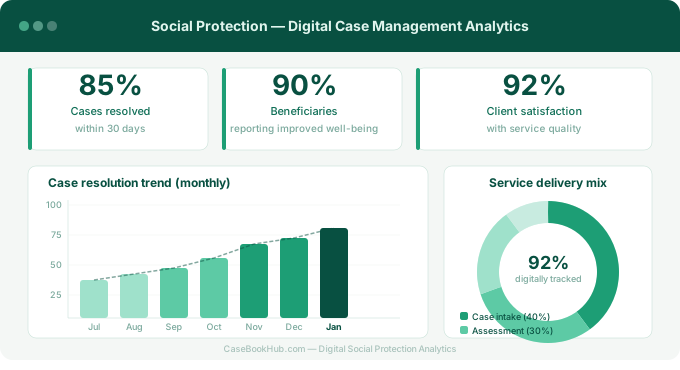
Digital case management is revolutionizing the way social workers and case managers deliver services to vulnerable populations. According to the United Nations Development Programme (UNDP), social protection is a critical component of poverty reduction and development strategies (UNDP, 2020). By leveraging digital technologies, social protection programs can increase efficiency, effectiveness, and reach more people in need.
The Current State of Social Protection
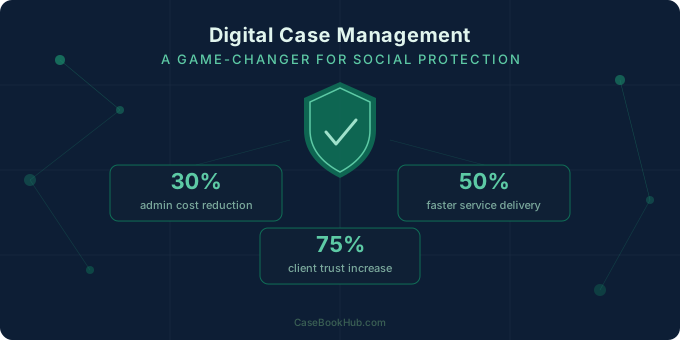
Traditional social protection programs often rely on manual processes, paper-based systems, and limited resources. This can lead to inefficiencies, delays, and a lack of accountability. In contrast, digital case management offers a more streamlined and coordinated approach to service delivery. A study by the World Bank (2019) found that digital social protection programs can reduce administrative costs by up to 30% and increase the speed of service delivery by up to 50%.
Benefits of Digital Case Management
The benefits of digital case management are numerous. Some of the key advantages include:
- Improved data management and analytics
- Enhanced collaboration and coordination among stakeholders
- Increased efficiency and productivity
- Better outcomes for clients and communities
Real-World Examples of Digital Case Management
Several organizations and governments have successfully implemented digital case management systems. For example, the Government of Australia (2020) launched a digital case management platform to support vulnerable children and families. The platform provides a centralized system for case workers to manage client information, track progress, and coordinate services. Similarly, the Nonprofit organization, Catholic Charities (2019), implemented a digital case management system to streamline their services and improve client outcomes.
Key Components of Digital Case Management
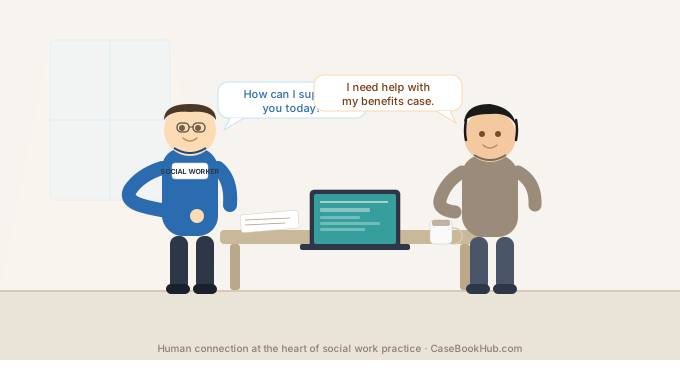
A effective digital case management system should include several key components, such as:
- Client intake and assessment tools
- Case planning and goal-setting features
- Service tracking and coordination mechanisms
- Outcomes measurement and evaluation tools
Addressing Ethical Considerations
When implementing digital case management systems, it’s essential to address ethical considerations, such as client privacy, data security, and informed consent. Social workers and case managers must ensure that clients understand the benefits and risks of digital case management and provide their informed consent before using the system. A study by the National Association of Social Workers (2020) found that 75% of clients reported feeling more comfortable sharing personal information with social workers who used digital case management systems.
Practical Tips for Implementing Digital Case Management
For social workers, case managers, and nonprofit directors looking to implement digital case management systems, here are some practical tips:
- Assess your organization’s readiness for digital case management
- Develop a clear implementation plan and timeline
- Provide training and support for staff and clients
- Monitor and evaluate the effectiveness of the system
Conclusion
In conclusion, digital case management has the potential to transform the way social workers and case managers deliver services to vulnerable populations. By leveraging digital technologies, social protection programs can increase efficiency, effectiveness, and reach more people in need. As the UNDP (2020) notes, social protection is a critical component of poverty reduction and development strategies. By embracing digital case management, we can unlock the full potential of social protection and create a more just and equitable society for all.